

Grief & Productivity
An interview with Madison T. Clark, Founder & CEO of Grief Cards

Greetings, rebels! One of the most beautiful things about working with neurodiverse folks is that each individual works and thinks differently. I’ve added many new systems to my toolkit that I’d never considered after working one-on-one or having conversations with fellow ND peeps.
Because I am just one person with my own preferences and rhythms, I want to continue to highlight how other people work too. I also want to continue to normalize the many different ways our brains can operate, recognize the many ways we express those differences, and destigmatize diagnoses that are often more complex and nuanced than they’re represented on social media.
I hope you enjoy this Q&A with fellow Groover Madison Clark, writer and founder of Grief Cards. Madison, thank you for your time and openness!
xo Andrea

Diagnoses: Madison has been diagnosed with OCD, CPTSD, and GAD.
What she does: She’s a freelance writer and also the founder of Grief Cards.
Why she does it: The idea for Grief Cards is rooted in the passing of her brother, Garrett, in 2008; she wanted to create sympathy cards "without toxic positivity and without assumed spirituality."
What does productivity mean to her? Madison believes productivity is relative to the situation; sometimes, productivity looks like getting stuff done…other times, it could mean getting some rest.
Productivity methods that work for her: Micro-routines, writing everything down in her Passion Planner, using her inbox as a to-do list, and Panera’s Unlimited Sip Club.
Where can you find her? Check out Grief Cards here and Madison’s writing portfolio here.

Hi Madison! Thanks so much for agreeing to share a little bit about your process as a neurodivergent entrepreneur. Before we get started, only if you feel comfortable, could you share your diagnosis (official or unofficial) with us?
Thank you so much for having me! I’ve been diagnosed with OCD [Obsessive Compulsive Disorder], CPTSD [Complex Post-Traumatic Stress Disorder], and GAD [General Anxiety Disorder]. I take Fluoxetine on a daily basis (mostly, I forget sometimes), and am looking into pursuing some EMDR therapy to help me process years that I don’t have much memory of.
Did you always assume you’d start your own business, or was it sort of a “whoopsie” situation? (I speak as someone who experienced the latter lol. No judgment!). I’d love to know a little bit more about how you got started in writing and when/why you launched Grief Cards.
I’ve always loved writing. In elementary school, we had a project that overlapped our Art class with our English class, and I remember my art teacher being surprised that I wanted to add more and more and more pages to my little book. I think I illustrated only one of the 20+ pages because I just wanted to tell this fictitious story about a soccer team.
I never really planned to start a business – but I found my first freelance writing client the year after I finished undergrad, and my writing career has really grown from there. I’ve been a full-time freelance writer since November 2021, and the freedom of work and schedule that comes with it is seriously unmatched for what me and my brain need.
Grief Cards itself stems from a whole other area of my lived experiences: My brother passed away in 2008, when he was 18 and I was 15. Ever since then, I’ve hoped that someone would make better sympathy cards, without the toxic positivity and without the assumed spirituality. I wanted to see real life reflected in sympathy cards, but I never quite found that. So in August 2023, I officially launched Grief Cards after years of collecting card ideas and, honestly, hoping that someone else would start this type of business. It’s hard to be steeped in grief day in and day out, but I believe in this work so much that it makes it worth it to me.
What does “productivity” mean to you?
For me, “productivity” depends on each day’s to-do list. For example, in February, I had a week where I actually pulled three all-nighters solely for the sake of getting work done (do not recommend), so “productivity” that following Monday was 1. Driving to pick up my grocery order from Target, and 2. Doing laundry. The flexibility of my writing schedule, coupled with my entrepreneurship and my part-time work, enables me to transform that definition on a day-to-day basis.
In many ways, I think I seek micro-routines more than I seek peak productivity as in significant creative output. I feel best when I’m waking up around the same time, getting outdoors or to the gym, eating the same-ish breakfast, and then jumping into some type of work. That sets me up to feel good throughout the day, which then happens to result in more of an ‘output’ on some days. But, again, it really does depend on what client work is on my plate, what Grief Cards work needs to get done, and where all of my other tasks stand, too.
What do you wish you would have given your past self permission to do in terms of the way(s) you work?
I wish that my past self – and, sometimes still, my current self – remembered that it’s okay to slow down. It’s okay to ask for an extension, to cancel a coffee meeting, to put your own needs first, to even have needs in the first place. I subscribed to hustle culture for many years because I thought that having diverse interests and a wide variety of goals meant that I had to be going at 100% effort 100% of the time, and that led me to a path of burnout that was painful to get out of. I do think I’ve swung wildly to the opposite end of that spectrum now, and I think there’s a middle ground that would be best for me, but even being able to swing to the “it’s okay to have needs” side of things is something I consider an accomplishment.
One of the hardest parts about working for yourself (I’ve found) is the amount of freedom you get over your schedule. How do you balance structure and freedom?
My first year of full-time freelance writing, I blocked off two hours nearly every afternoon and I took an afternoon nap. I was recovering from a ton of trauma from my COVID-19 lockdown experience, so I was exhausted at all times; the freedom to carve out that time each afternoon was truly life changing. I think that experience taught me that structure and freedom can coexist beautifully, as long as I’m honest with myself about what’s demanding my time and attention in a given week.
I’ve also found a significant overlap in grief and the workplace. Grief isn’t something you can control, as much as we might try to. It pops up when it feels like it, can be triggered by any number of unexpected things, and we simply have to ride that wave whenever it hits. With my work, I’ve found that starting with structure is important, or else I’ll end up in bed, with my cat, scrolling on TikTok; but being open to that structure transitioning into freedom and flexibility, as needed, means that my days continue to feel spacious and my work continues to get done.
If you could offer a productivity tip that has helped you manage your work/life/executive functioning, what would it be? What’s worked well for you personally?
With my CPTSD, I have to write everything down. My memory for dates and times and names? Laughable, at best. So I do rely on a Passion Planner as my physical calendar where all of my time-sensitive bits live. (Also, choosing the planner that starts on Sundays instead of Mondays has led to a surprisingly cool mental shift.)
Similarly, I use my email inboxes as to-do lists: If an email is still in my inbox, then something about it still needs to be handled. That might simply be reading a newsletter, or it could be transcribing an interview, scheduling a meeting, packing up a bulk Grief Cards order, etc. My brain is pretty “out of sight, out of mind” so that visibility in my inbox helps me stay on top of items that might otherwise slip through the cracks.
I also am fully reliant on Panera’s Unlimited Sip Club. It’s like $13 per month to basically use any Panera location as my personal office. My executive functioning at home is nothing compared to what my brain can do when I’m surrounded by some level of hustle and bustle.
About Madison
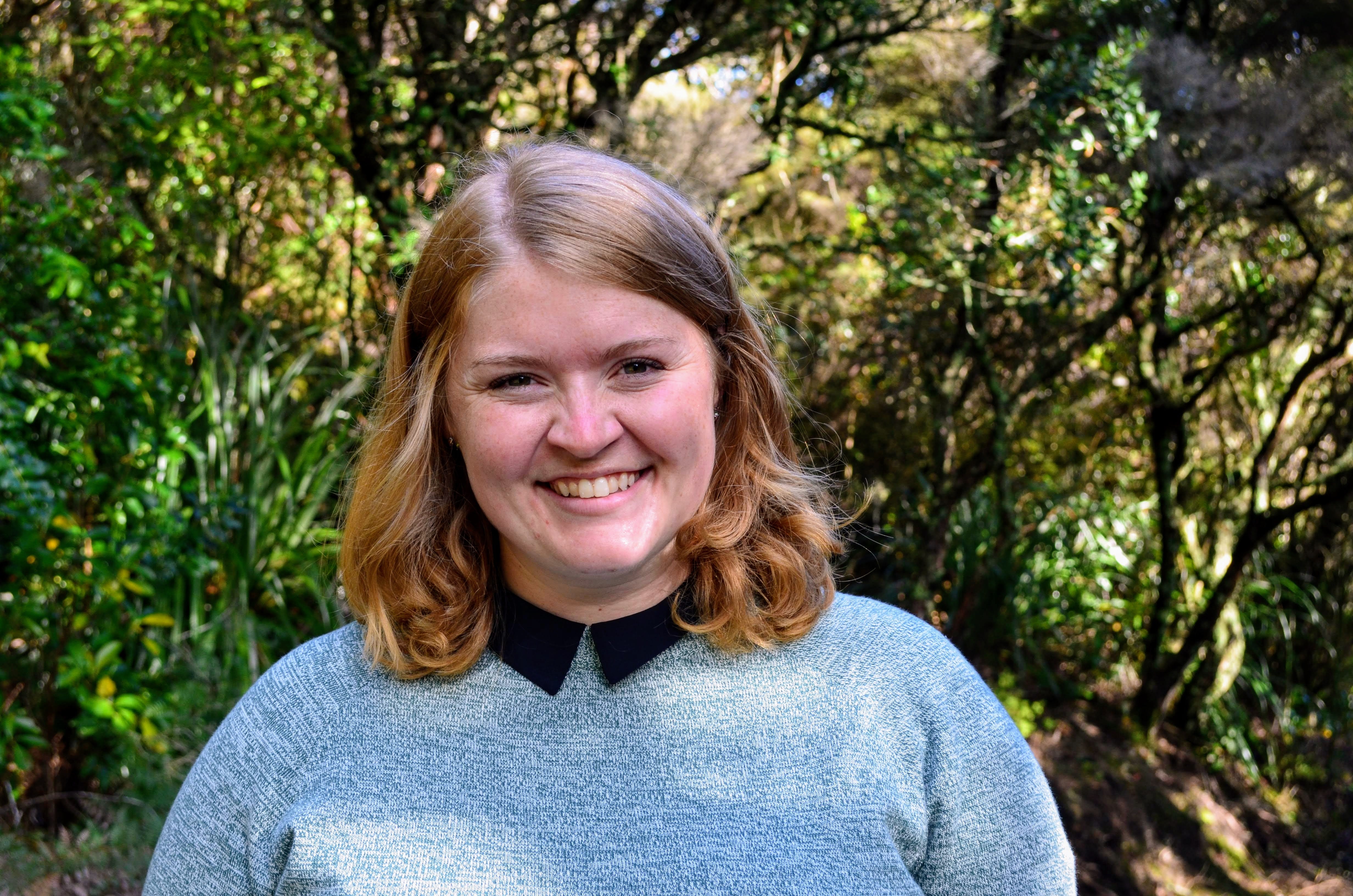
Madison T. Clark is the Founder and CEO of Grief Cards, a company making sympathy cards that don't suck. She is also a full-time freelance writer and is working to rebuild her poetry practice. When she's not working, you can find Madison cheering on the Kansas City Current or playing in queer sports leagues.
Check out Grief Cards here: https://www.griefcards.co/
And Madison’s freelance work here: https://www.madisontclark.com/